If you’ve ever considered ditching the utility grid and going fully off grid with solar, I’m willing to bet your first thought was something like “cutting monthly power bills, energy independence, no more worrying about grid outages.” As someone who’s spent the last eight years selling, installing, and troubleshooting off grid solar systems for homes and small businesses, I get that appeal—really, I do. I’ve helped clients go off grid who were sick of rate hikes, others who live in remote areas where running power lines would cost tens of thousands of dollars, and even a few who just wanted to minimize their carbon footprint without relying on anyone else. But over the years, I’ve also seen way too many clients jump into this decision after only hearing the pros, no one warning them about the real, tangible downsides that come with going off grid. Today, I want to pull back the curtain on the disadvantages of off grid solar, from the perspective of someone who’s worked with these systems every single day. Off Grid Solar System

First and foremost, there’s the upfront cost—and I’m not just talking about a little extra cash. Let’s break it down a bit. When you connect to the grid, you can offset most of your energy use with grid-tied panels, and any excess you make feeds back into the utility for credit. But off grid systems don’t have that luxury. To power your home 24/7, 365 days a year, even when the sun isn’t shining and it’s cloudy for days on end, you need a massive battery bank. Those batteries aren’t like the small ones in your phone or even the ones for a backup generator. We’re talking about deep-cycle lithium-ion or lead-acid batteries, and for a typical 2,000-square-foot home, that battery bank can cost between $8,000 and $15,000 alone. Add in the solar panels, charge controller, inverter, wiring, mounting hardware, and the labor to install a system that’s sized not just for your average summer use, but for your peak winter use too, and you’re looking at an upfront price tag that’s two to three times higher than a basic grid-tied system. I recently had a client in northern Michigan who wanted to go off grid, and he thought his 10 solar panels would be enough—until we ran the numbers and realized he’d need 16 panels and a $12,000 battery bank just to power his well pump, electric furnace, fridge, and other essentials during the dark, snowy months. That’s a big hit, especially compared to grid-tied systems where you don’t have to front the cost of a battery bank at all.
Next up, energy storage limits and daily power management. Unlike grid-tied systems where the grid acts as a giant, free, always-available battery, off grid systems have a finite amount of stored power. That means you can’t just run your dishwasher, dryer, space heaters, and pool pump all at the same time without paying attention. I’ve seen clients get tripped up here more than anything else. A few months ago, a family in upstate New York called me panicking because their battery died in the middle of a January cold snap. Turns out, they’d been running their electric oven, a space heater in the basement, and their kids’ video game systems for three straight days during a winter storm, and the solar panels couldn’t keep up with the draw. Because they were new to off grid, they didn’t realize they had to adjust their usage habits—like running high-energy appliances during the day when the sun is out, turning off unnecessary devices overnight, and even down-sizing some of their power-hungry appliances. It’s not like flipping a switch and forgetting about it; you have to be conscious of your energy use every single day, which is a hard adjustment for most people used to just using whatever they want, whenever they want. And if you miscalculate your system size—either you underestimate your energy needs or you don’t account for low sun periods—you could end up relying on a generator for back-up power, which adds even more cost and maintenance.
Speaking of maintenance and upkeep, off grid systems require a lot more regular attention than most people realize. Let’s start with the batteries. Deep-cycle batteries, whether lithium or lead-acid, don’t last forever. Lead-acid batteries, which are more common in lower-budget systems, only last 5 to 7 years, and they need regular checks—adding distilled water, cleaning terminals, monitoring their charge levels to avoid over-discharging, which can kill them prematurely. Lithium batteries are a bit better, lasting 10 to 15 years, but they’re still expensive to replace, and they need specialized monitoring systems to make sure they’re working safely. Then there’s the solar panels themselves. If you live in an area with a lot of dust, pollen, snow, or tree overhang, you have to clean the panels regularly to keep them producing power. Unlike grid-tied systems, where even a small drop in efficiency only affects your credit, a drop in panel output means less power for your battery. I had a client in Arizona who didn’t clean his panels for 18 months, and by the time he called me, his panel efficiency had dropped by 25% because of caked-on desert dust. He had to pay to have them professionally cleaned and even adjust his system size to make up for the lost power. Also, off grid systems have a lot more components—charge controllers, inverters, disconnect switches, wiring, fuses—all of which can break. And when they do, you can’t just call the utility to fix it; you have to have a reliable technician on call, or know how to troubleshoot and repair the system yourself. If you live in a remote area, that technician could be hours away, meaning you could be without power for days or even weeks if something goes wrong.
Then there’s the issue of reliability, especially in extreme weather. Off grid systems rely entirely on sunlight, so their performance is dependent on weather conditions. If you live in a place with long, dark, cloudy winters—like parts of the Pacific Northwest, Alaska, or northern Canada—your solar panels will produce a fraction of their summer output during the winter. That means you need a much larger battery bank to store enough power to get you through those months, which as we talked about earlier, adds a ton of cost. We had a client in Alaska last year who had to size his system to power his home, a small workshop, and a well, and even with 22 solar panels and a 15kWh lithium battery bank, he still had to run his generator for 4 to 5 hours a day during December and January, just to keep the batteries charged. And what if there’s a multi-day storm, heavy snow that covers the panels, or even a rare solar eclipse? Your system could be completely without power for days, unless you have a large generator and enough fuel stored. On top of that, extreme heat can also damage battery life and reduce panel efficiency—something we’ve seen a lot of in the Southwest, where high summer temperatures can cut panel output by as much as 20% on really hot days.
Another big disadvantage is the lack of grid-tied perks and incentives. Most governments and utilities offer tax credits, rebates, and net metering for grid-tied solar systems. Net metering is a huge one: when you make more power than you use, you sell it back to the utility for credit on your bill. Off grid systems don’t qualify for net metering at all, because they’re not connected to the grid. And while some areas offer incentives for off grid systems, the amount is usually much lower than what you can get for grid-tied. For example, the federal solar tax credit in the U.S. covers 30% of the cost of grid-tied systems, but only 26% for off grid as of 2024, and many states don’t offer any extra incentives for off grid at all. Also, if you ever decide to move, sell your home, or go back to the grid, it’s not as simple as just flipping a switch. You might have to remove and dispose of your old batteries, rewire your home to connect to the utility, and deal with the cost of removing old components, which is an extra hassle you don’t have with a grid-tied system.
Wait, and let’s not forget about accessibility and compatibility with modern appliances. A lot of people don’t realize that some high-energy appliances just aren’t practical for off grid systems, or they’ll require you to downsize a lot. For example, electric water heaters can use 4,000 to 5,000 watts—way more than most off grid systems can handle, especially if you have a small battery bank. Some clients switch to gas water heaters or even solar water heaters to cut that load, but that’s an extra cost they didn’t plan for. Induction stoves are more efficient than electric or gas, but they still draw a lot of power. Even something as simple as a central air conditioner can be a nightmare for off grid systems. If you live in a hot climate, running central AC during the day will drain your battery in a few hours, unless you have a huge system size that’s way more expensive than a grid-tied system that just uses the grid for AC power. I had a client in Florida who wanted to keep his central AC, and we had to size his system with 24 solar panels and a 20kWh battery bank just to keep the AC running during the summer. That added almost $10,000 to his upfront cost, and even then, he still had to turn the AC up to 82 degrees during the day to save power. It’s not impossible, but it does mean making compromises that some people aren’t willing to make.
Now, I don’t want this to sound like I’m against off grid solar by any means. For the right person, in the right situation, it’s an incredible investment. If you live in a remote area where running power lines would cost $50,000 or more, off grid solar is way cheaper long-term. If you’re someone who values energy independence more than anything else, and you’re willing to adjust your lifestyle and budget for the upfront cost, it can be a great fit. But too many people come to me thinking it’s a set-it-and-forget-it way to go solar, without realizing all the downsides I’ve talked about. They get excited about the idea of not paying power bills, and they don’t do their research on the cost, maintenance, lifestyle changes, and compromises that come with it.
At the end of the day, off grid solar isn’t for everyone, and that’s okay. But if you’re seriously considering it, the most important thing is to work with a trusted supplier and installer who will be honest about both the pros and cons, not just try to sell you a system. We don’t push every client into off grid solar—if a grid-tied system with battery backup makes more sense for your needs, we’ll tell you that. But if off grid is the right choice for you, we’ll help you size your system correctly, budget for maintenance and replacements, and make sure you’re prepared for the daily responsibilities that come with it.
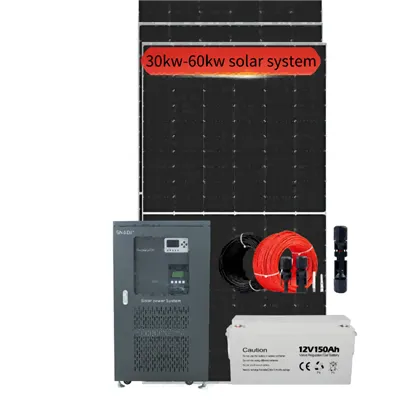
If you’re curious to learn more about off grid solar, want to get a personalized quote, or just have questions about whether it’s the right fit for your home or business, we’re here to help. Don’t make this big decision without all the facts—reach out to us to talk through your needs, budget, and what to expect from an off grid system, and we’ll be honest with you every step of the way.
Inverter References:
- International Energy Agency. (2022). Off-Grid Solar Systems: Technology, Applications, and Costs. IEA Renewable Energy Working Party.
- U.S. Department of Energy. (2023). Off-Grid Solar: Considerations for Residential and Small Business Applications. Office of Energy Efficiency & Renewable Energy.
- Solar Energy Industries Association. (2024). Grid-Connected vs. Off-Grid Solar: Cost, Incentives, and Long-Term Value. SEIA Market Intelligence Report.
- National Renewable Energy Laboratory. (2022). Battery Storage Requirements for Off-Grid Solar Systems in Cold and Variable Climate Zones. NREL Technical Report.
- North American Board of Certified Energy Practitioners. (2023). Maintenance and Reliability Best Practices for Off-Grid Photovoltaic Systems. NABCEP Standards and Guidelines.
Hebei Mutian Solar Energy Technology Development Co., Ltd.
Hebei Mutian Solar Energy Technology Development Co., Ltd. is one of the most professional off grid solar system manufacturers and suppliers in China, featured by quality products and good service. Please rest assured to buy off grid solar system in stock from our factory. Contact us for customized service.
Address: Room 3120, Block A, Zhili Building, 77 Fuxing West Road, Baoding City, Hebei Province, China
E-mail: mona@solarmt.com
WebSite: https://www.solar-systemkit.com/
