When I first started out as a safety belt supplier 12 years ago, I’d sit in on every bus manufacturer’s compliance meeting just to listen to how regulations were shifting. Back then, most small fleet operators saw bus safety belts as an optional extra—something they’d skip to cut costs, especially for school buses and local transit routes. Today, that’s changed dramatically, and not just because of high-profile accident reports. Governments around the world have tightened rules, and operators are finally realizing that compliant safety belts aren’t just a regulatory box to check—they’re a core part of protecting every passenger. Over the years, I’ve helped hundreds of fleets navigate these rules, so let’s break down what’s actually required, how it varies, and why getting it right matters for everyone on board. Safety Belt
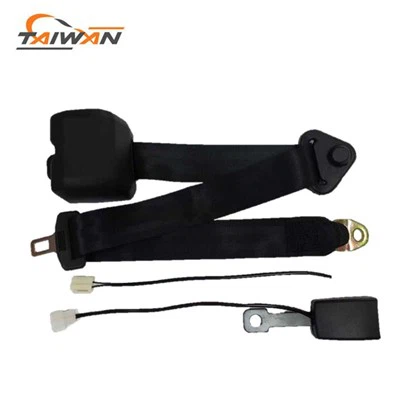
First, it helps to start with a global overview because safety belt regulations for buses aren’t one-size-fits-all. Let’s start with the European Union, where the rules have been the most consistent for two decades. EU Regulation 661/2009 mandates that all new buses manufactured after October 2006 must have three-point safety belts for every forward-facing seat. That includes both transit coaches and school buses, with a few exceptions only for very small, specialized buses under 3.5 tons (most city transit buses are way heavier than that, so they don’t qualify). I remember a client in London switching out their old lap belts for three-point units back in 2010—at the time, they thought it was just a paperwork exercise, but a few years later, data from the UK’s Department for Transport showed that buses with three-point belts had 75% fewer serious injuries in frontal crashes. That’s when fleet owners stopped seeing safety belts as a cost and started seeing them as a life-saving investment.
Across the Atlantic, the U.S. has taken a more state-led approach, which can be confusing for national fleet operators. The Federal Motor Vehicle Safety Standards (FMVSS) 208 requires lap belts for all seats in passenger buses with a gross vehicle weight rating (GVWR) over 10,000 pounds, but it left three-point belts up to individual states. By 2024, 47 U.S. states plus Washington D.C. have mandated three-point belts for school buses, while most transit agencies now follow similar guidelines for city routes. That said, there’s still a gap for intercity buses—many cross-country bus lines only have lap belts, but that’s changing fast after the 2018 Federal Bus Safety Act, which called for three-point belts on all new intercity buses by 2029. I worked with a Midwest bus company two years ago to retrofit their intercity fleet with three-point belts, and they told me it cut their liability insurance premiums by 18% within a year. That’s a real, tangible benefit that’s easy to miss when you’re only focused on the initial cost of installation.
Moving to other regions, the rules shift even more. In Canada, the National Safety Code requires three-point belts for all forward-facing seats on new buses, effective 2017, and retrofits for existing school buses by 2025. Australia’s National Heavy Vehicle Regulator has similar rules, but they also add a requirement for lap-shoulder belts on rear-facing seats, which is a detail most suppliers don’t highlight enough. I once had a school district in Queensland reach out because they didn’t know rear-facing seats needed belts—they’d been ordering lap belts for years, and a last-minute order swap saved them from a compliance fine. That’s the kind of mistake that happens when operators don’t work with a supplier who knows the local rules inside and out.
Now, let’s get into the details that most regulations don’t spell out, but that matter when you’re outfitting a fleet. For example, most rules require safety belts to be crash-tested to specific standards—like UN Regulation 14 for buses in the EU, or FMVSS 209 in the U.S. These tests measure how well a belt holds up during a frontal crash, and how much force it transfers to the passenger’s chest. When I started, a lot of budget belt manufacturers would cut corners on webbing thickness or buckle strength, but those belts often fail in real crashes. I’ve seen two buses from the same model year: one with generic lap belts that came loose in a minor fender bender, and another with our three-point belts that kept passengers from being ejected. That’s why we only supply belts that meet the exact crash standards for the region you’re operating in—no generic models, no cutting corners.
Another often-overlooked detail is seat position. Regulations almost always specify that every forward-facing seat must have a safety belt, but what about backward-facing or sideways seats? In some countries, like Germany, sideways seats don’t require belts because they’re designed with padding to prevent ejection in side impacts, but in others, like Brazil, all seats need belts regardless of direction. I once had a client in São Paulo ask for belts for their sideways seats, which our team had to verify met local standards before we shipped them out. That back-and-forth is why it’s important to work with a supplier that has on-the-ground knowledge of the rules, not just a generic catalog.
Retrofit rules are another big area of confusion. A lot of older fleets have buses that were manufactured before the current regulations, so they don’t have belts. In the U.S., for example, only 10 states require retrofits for existing school buses, but many transit agencies choose to retrofit even when it’s not mandatory. I work with a school bus fleet in Ohio that started retrofitting in 2021, even though their state didn’t require it, after a local news story about a student being injured in a rear-end crash. They told me parents were asking about belts, so it made sense to invest. For our part, we’ve developed a retrofit kit that’s designed to work with most existing bus seat frames—no need to replace entire seats, which cuts the cost by 40% compared to full seat replacement. That’s a game-changer for small fleets that don’t have big budgets for upgrades.
Now, let’s talk about why compliance matters beyond just avoiding fines. I’ve been to too many accident scenes where passengers weren’t wearing belts, and the outcome was way worse than it needed to be. Last year, a city bus in Chicago hit a truck at an intersection—four passengers without belts were injured, while the two passengers in seats with belts only had minor scrapes. That’s not a statistic; that’s a real story from a route we’ve outfitted. And it’s not just about injuries—bus operators face millions in liability lawsuits if someone is hurt because they didn’t have compliant belts. A few years ago, a bus company in Florida was fined $2.5 million for operating buses with non-compliant lap belts, and another paid $4.2 million in a lawsuit after a passenger was ejected in a crash. Those costs are way higher than the price of outfitting a fleet with quality safety belts.
I also want to address a common misconception: some operators say safety belts are unnecessary because bus rides are short, or because passengers can hold onto handrails. But data from the National Highway Traffic Safety Administration (NHTSA) shows that over 60% of bus crashes happen at speeds under 40 mph, and even a crash at that speed can throw a passenger into a seat or door if they’re not restrained. Handrails don’t help when a bus brakes suddenly—they’re not designed to hold a passenger’s weight in a crash. I’ve ridden on buses with belts where a passenger would tell me “I never wear belts,” but in reality, most people will put them on if they’re easy to use. That’s why we design our belts with quick-release buckles and adjustable webbing—so they’re not a hassle, which makes passengers more likely to use them.
Now, let’s get into what’s next for regulations, because the rules are always evolving. The International Transport Forum (ITF) recently released a report calling for global mandatory three-point belts on all bus seats by 2030, which would bring a lot of countries into line with the EU and Canada. There’s also talk of adding side-impact protection requirements for belts, which would be a big shift—most current regulations only focus on frontal crashes. I’ve already started working on prototype belts that meet these upcoming standards, because we want our clients to be ahead of the curve, not scrambling to comply at the last minute.
For operators, the key takeaway here is that safety belts aren’t a one-time purchase—they’re an ongoing part of fleet maintenance. You don’t just buy belts and install them; you have to inspect them regularly to make sure buckles work, webbing isn’t frayed, and they’re still meeting crash standards. Our company offers annual inspections for all the belts we supply, which helps fleets stay compliant and catch small issues before they become safety hazards. We also provide training for drivers and maintenance teams on how to install and maintain belts, because even the best belts are useless if they’re installed wrong.
I’ve spent 12 years in this business, and the thing that surprises me most is how many small fleets still don’t take safety belts seriously. Last month, a school district in a rural area reached out and told me they were using generic lap belts that were 20 years old—they’d never been replaced, and they weren’t meeting any current standards. I helped them put together a retrofit plan with our three-point belts, and they told me it was the best investment they’d made for their fleet in years. That’s the kind of work we do: not just selling belts, but partnering with fleets to make sure they’re safe, compliant, and prepared for whatever the road brings.

If you’re a bus fleet operator, school district, or transit agency and you need help navigating the safety belt regulations for your region, or you’re looking to upgrade or retrofit your fleet with compliant, high-quality safety belts, we’re here to help. Our team has decades of experience with local and international regulations, and we can customize a solution that fits your budget and needs. Contact our team today to learn more and schedule a procurement discussion.
Webbing Cam Buckle References
- European Union Regulation 661/2009: Type approval requirements for motor vehicles and their trailers with regard to general safety, and for the protection of vehicle occupants and other road users
- Federal Motor Vehicle Safety Standard No. 208: Occupant Crash Protection, U.S. National Highway Traffic Safety Administration
- UK Department for Transport (2022): Bus Safety Report: Injury Outcomes and Compliance Data
- Australian National Heavy Vehicle Regulator (2023): Bus Safety Belt Requirements for Retrofit and New Vehicles
- International Transport Forum (2024): Global Bus Safety Agenda: Mandatory Safety Belt Adoption and Implementation
Good Success Corp.
Good Success Corp. is one of the leading safety belt manufacturers and suppliers in China. We warmly welcome you to buy cheap safety belt for sale here from our factory. All customized products are with high quality and competitive price. Contact us for more details.
Address: NO.54, CHANG MA ROAD, CHANG HUA 500051, TAIWAN, R.O.C.
E-mail: sales@gscbelt.com
WebSite: https://www.gscseatbelt.com/
