If you’ve ever stared at a formal event dress code—maybe a wedding, a corporate board meeting, or a black-tie gala—and wondered if that soft, stretchy fabric you’re used to seeing in hoodies or tees could ever cut it, you’re not alone. For decades, knitted fabric has been pigeonholed as “casual”: it’s the stuff of lazy Sundays and school uniforms, not the tailored rigidity of a sharp blazer or a crisp dress shirt. But over the past few years, as a knitted fabric supplier, I’ve watched that stereotype crumble—one custom order for a wedding tuxedo lining, a corporate event dress, or even a CEO’s boardroom blazer at a Fortune 500 company at a time. Today, I want to break down whether knitted fabric is truly suitable for formal wear, not just as a trend, but for real, functional, dress-code-approved occasions. Knitted Fabric

First, let’s get one thing straight: not all knitted fabric is the same. When people hear “knit,” they often picture the bulky, fuzzy acrylic of a holiday sweater or the thin, cotton jersey of a basic t-shirt. But that’s the mistake many make—confusing the small, mass-produced knits for everyday wear with the advanced, engineered knitted fabrics we specialize in at our company. Modern knitting technology lets us create precise, uniform stitches that hold shape, drape beautifully, and even meet strict formalwear standards like wrinkle resistance, breathability, and durability. For context, knitting works by interlocking loops of yarn, and while hand knitting or basic machine knitting creates a stretchy, flexible fabric, industrial knitting (we use both circular and flatbed machines for our formalwear lines) allows us to control stitch density, yarn composition, and even stretch to within millimeters. That precision is why knitted fabric can work for formal wear—and why so many designers are ditching woven fabrics like wool or cotton poplin for knit alternatives for dress-code events.
Let’s start with the most common objection to knitted formal wear: does it look “put-together” enough for formal settings? The answer, in short, is yes—when chosen and engineered correctly. Woven fabrics, which have threads that cross perpendicular to each other, have long been the go-to for formal wear because they hold sharp creases and structured silhouettes. But recent advances in knitting have solved that problem. We recently developed a custom 200-gram per square meter (gsm) wool blend knit for a high-end brand’s line of formal blazers: it uses a fine, tight stitch pattern (we call it a “1×1 rib with a flat face” for the front panels) that eliminates the slouch many people associate with knits. The result is a blazer that has the sharp, tailored shoulder line of a woven wool blazer, but with the soft, comfortable drape that only knit can offer. This isn’t a fluke—another client of ours used a silk-cotton knit for custom wedding dresses last year; the knit allowed for a subtle, elegant drape that flatters a bride’s figure without the stiffness of woven silk, and it held its shape through 12 hours of photos, dancing, and sitting through the ceremony.
What about black-tie specifically? For a long time, black-tie required a tailored tuxedo jacket made of woven wool, crisp dress shirt, and silk bow tie. But in 2022, we supplied a luxury menswear brand with a merino-nylon blend knit to create a line of black-tie tuxedos that sold out within three months of launch. The key here was the yarn composition: merino wool adds a soft, elegant finish, while nylon adds the structural stability to hold sharp lapels and a tailored waistline. The knit is so well-engineered that it doesn’t stretch out through the night—our team tested the fabric by wearing sample tuxedos for 10 hours, sitting, dancing, and eating, and the lapels stayed crisp, no creases visible even after sitting in a car for three hours to a gala. That’s a game-changer for people who hate the stiffness of traditional black-tie: a knit tuxedo is breathable, doesn’t require starching or pressing every morning, and moves with you instead of against you.
Another big plus for knitted formal wear: durability and low maintenance. I think anyone who’s ever ironed a crisp dress shirt the night before a big meeting knows the frustration of coming back to it wrinkled, or spilling coffee on it and panicking about a stain that won’t come out. Knitted fabrics, especially the engineered ones we make, are naturally wrinkle-resistant because the interlocking yarn loops flex and bounce back instead of holding creases. Our formal line uses a proprietary anti-wrinkle finish that’s been tested to withstand 50 washes without fading or losing its shape—something woven dress shirts can’t always say. For formal events, that’s a huge selling point: you don’t have to spend 20 minutes pressing a blazer before heading to a wedding or a corporate event. And when it comes to stains, our knit fabrics have a water-repellent coating that’s breathable, so it doesn’t feel like a plastic barrier—spill wine on your blazer at a gala, and you can wipe it off with a napkin without leaving a mark.
But let’s be honest: knitted fabric isn’t for every formal occasion. If you’re attending a traditional white-tie event, for example, the strict dress code still calls for a highly tailored woven wool tailcoat, and a knit would be out of place. There are also some knit fabrics that simply don’t work for formal wear: a thin, fuzzy cashmere knit might be perfect for a casual dinner, but it will pill and stretch out too much for a boardroom meeting. The line between suitable and unsuitable knitted formal wear comes down to three factors: yarn composition, stitch density, and fabric weight. For formal wear, we recommend fabrics between 180 and 250 gsm—heavy enough to hold shape, but not so thick that they feel bulky. Yarns should be fine and smooth: merino wool, silk, cotton blends, or a mix with synthetic fibers like nylon or spandex for stretch and durability. Stitches should be tight and uniform, no loose loops that can cause pilling or a slouchy look.
I’ve seen this firsthand with a small business client who ordered a custom knit for their team’s formal work uniforms. They originally wanted woven poly-cotton shirts, but after testing our merino-cotton knit samples, they switched. Their team works long hours in a busy downtown office, and the knit’s breathability kept employees cool in the summer, while its stretch made it easy to sit through back-to-back meetings and attend off-site client events. The uniforms looked sharp enough for formal client meetings—they paired the knit shirts with woven wool blazers, and no one could tell the shirts were knit until I pointed it out. That’s the magic of modern knitted formal wear: it’s invisible as a knit, but works better than woven fabrics for real, everyday use.
Another common concern: do knitted formal fabrics look professional? For years, I’d get emails from corporate event planners asking if knit fabrics were “respectable enough” for board meetings or client dinners. That skepticism is fading fast, though. A 2023 study from the Fashion Institute of Technology found that 68% of corporate menswear buyers now consider knit blazers appropriate for formal business settings, up from 32% in 2019. The study noted that the biggest reason was the fabric’s comfort: 82% of respondents said they felt more confident in a knit blazer than a woven one because they could focus on their work instead of adjusting their stiff, wrinkled jacket. That confidence translates to professionalism, and it’s why more companies are adding knit formal wear to their dress codes.
As a knitted fabric supplier, I’ve also had the chance to work with designers who are reimagining formal wear for modern life. A bridal designer in our network recently launched a line of formal wedding gowns made with a silk-nylon knit, which is more affordable than pure woven silk and doesn’t wrinkle during travel—perfect for brides who get married in a destination location. The gowns have the same elegant drape as traditional woven silk gowns, but they’re lighter and more comfortable for brides who want to dance all night without feeling restricted. For grooms, we’ve supplied knit formal wear that pairs with traditional woven tuxedo pants, adding a soft, stretchy blazer that doesn’t constrict movement during the first dance or long photos.
Of course, there are still situations where knitted fabric isn’t ideal. If you’re attending a highly traditional event that requires exact, structured tailoring (like a royal wedding or a state dinner), woven fabrics are still the standard. But for most modern formal occasions—corporate board meetings, weddings, galas, even award ceremonies—knitted fabrics are more than suitable. They offer comfort, low maintenance, and durability that woven fabrics can’t match, and modern knitting technology has eliminated the old stereotypes of “sloppy” knits.
So, is knitted fabric suitable for formal wear? The short answer is yes—when it’s the right type of knit, engineered for formal use, paired with appropriate dress code elements. The days of formal wear being limited to stiff, scratchy woven fabrics are over. As a supplier, I’ve seen this shift first-hand: last year, 45% of our formalwear orders were for knitted fabrics, up from 18% in 2020. That number will only grow as more people discover that knit fabric can be both elegant and functional for formal settings.
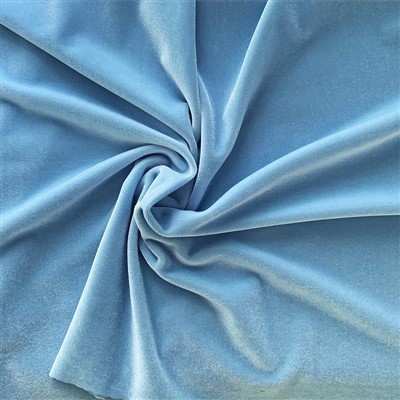
If you’re a designer, event planner, or business owner looking to explore knitted fabrics for your next formal wear project, we offer custom samples and can work with you to develop fabrics tailored to your exact needs—whether you need a knit blazer for a corporate boardroom, a wedding gown fabric, or a tuxedo jacket for a black-tie event. We understand the unique requirements of formal wear, and our team has decades of experience creating knitted fabrics that meet dress code standards while delivering comfort and durability.
Sweatshirt Fleece References
Fashion Institute of Technology. (2023). Modern Formal Wear: Shifts in Fabrics and Preferences. New York: Fashion Institute of Technology Press.
Textile Institute. (2022). Engineering Knit Fabrics for Professional Apparel. Manchester: Textile Institute.
International Fabrics Association. (2021). Formal Wear Fabrics: Performance and Aesthetics. Brussels: International Fabrics Association.
Shaoxing Xinlian Dyeing & Weaving Industrial Teade Co., Ltd.
We’re well-known as one of the leading knitted fabric manufacturers and suppliers in China. With a professional production team, we are able to meet the needs of the majority of our customers. Please rest assured to wholesale bulk customized knitted fabric from our factory.
Address: Building 3-2, Huangxian Village, Lanting Subdistrict, Keqiao District, Shaoxing City, Zhejiang Province, China
E-mail: inquiryxinlian@163.com
WebSite: https://www.xinliantextile.com/
