If you’ve ever shopped for kids’ eyeglasses frames, you know it’s not just about picking the cutest pattern to match your little one’s favorite backpack. As a kids’ eyeglasses frames supplier with over a decade in the business, I’ve sat across from dozens of parents, optometrists, and even fussy 7-year-olds who’ve turned “just getting glasses” into a lesson in compromise. Over time, I’ve learned that the best frames for kids aren’t a one-size-fits-all solution—they’re a mix of science, durability, and small kid-specific details that make all the difference between a pair that gets worn daily and one that ends up crumpled in the backseat. Kids Eyeglasses Frames

Let’s start with the non-negotiables that every parent and supplier should prioritize, before we dive into specific materials. Kids’ frames have to handle a lot: playground tumbles, snack smudges, being chewed during homework time, and being tossed into backpacks alongside Lego bricks and crayons. They also have to adapt to growing bodies—frames that fit a 5-year-old won’t work for a 9-year-old, and that means adjustability is key. Most importantly, they need to be hypoallergenic. Kids have delicate skin, especially around their ears and noses, and cheap materials can cause rashes or irritation that make glasses a battle before the kid even gets used to them.
With that foundation, let’s break down the best materials we’ve tested and supplied, with real-world examples from our clients to back up why they work.
First up: TR-90 Polymer. If you’ve never heard of it, TR-90 is a thermoplastic that’s become a staple in our kids’ frames line, and for good reason. I still remember the first time a parent brought back a pair of our TR-90 frames after their kid’s first roller derby practice—they’d been run over by a scooter, stepped on, and left out in the sun all day, and the only damage was a tiny scratch on the temple. That’s not a fluke; TR-90 has a high impact resistance, way higher than standard plastic frames, and it’s flexible enough to bend nearly 180 degrees without breaking. It also returns to its original shape after being twisted, which is a lifesaver when a 6-year-old decides to “try on” their little sibling’s glasses by yanking the temples outward.
What makes TR-90 even better for kids? It’s lightweight—so light that most kids forget they’re wearing glasses after the first hour, no more constant adjusting or complaining about “heavy frames.” It’s also hypoallergenic, which is a big win for kids with sensitive skin. We’ve supplied TR-90 frames to optometrists’ offices across the Midwest, and their data shows less than a 2% rate of skin irritation, compared to nearly 10% for older plastic frames. The only small downside? TR-90 can show scratches more easily than some other materials, but those scratches are usually just surface-level and don’t affect the frame’s durability or the fit of the lenses. We also add reinforced nose pads and adjustable temple pieces to all our TR-90 frames, so they can grow with a kid—no need to buy a new pair every six months.
Next, silicone frames (specifically medical-grade liquid silicone). This is a material I was skeptical about at first, but after a test run with a group of toddlers who needed their first glasses, I was sold. Medical-grade silicone is soft, pliable, and completely non-irritating—perfect for kids under 4, whose skin is even more delicate. It’s also water-resistant, which is a huge plus for kids who spill juice on their glasses, get caught in the rain, or swim while wearing them (though we always recommend removing them for actual swimming, but accidents happen).
One of our most popular silicone frames is a wraparound style for toddlers, with adjustable straps that go around the back of the head instead of just over the ears. This prevents the glasses from falling off when a toddler is crawling, running, or throwing a tantrum—something every parent of a young kid will appreciate. The downside of silicone? It’s less durable than TR-90; a sharp drop onto concrete can cause a tear or a rip in the material. But for toddlers, that trade-off is worth it—if a pair does get damaged, it’s usually cheaper to replace than a TR-90 frame, and it’s designed to be gentle on tiny faces. We also make sure all our silicone frames meet FDA medical-grade standards, so parents never have to worry about toxic chemicals leaching into the material as their kid chews on the temples (yes, that happens more often than you’d think).
Third on the list: acetate, but only high-quality cellulose acetate. You might recognize acetate as the material used in many adult designer frames, but it’s often too heavy and rigid for kids—unless it’s the high-grade, hand-polished version. I’ve seen cheap acetate frames snap in half after a single drop, but when sourced from reputable suppliers, acetate offers something TR-90 and silicone don’t: style. It can be molded into bright, fun patterns, from cartoon characters to tie-dye to glitter, which makes frames more appealing to kids who might otherwise resist wearing glasses. For older kids, especially pre-teens and teens, style matters as much as durability—we’ve found that pre-teens are 30% more likely to wear their glasses regularly if they pick out an acetate frame that matches their personal style, compared to TR-90 or silicone.
The key to making acetate work for kids is using a lightweight version and adding flexible hinges. We partner with manufacturers that make acetate that’s 20% thinner than standard acetate, so the frame is still light enough for kids, and we add spring hinges that let the temples bend outward without breaking. We also reinforce the nose pads with silicone, so they don’t rub raw even when a kid wears the glasses all day. We usually recommend acetate for kids over 8, once they’re a little more careful with their belongings and have a strong preference for a specific look. The downside? Acetate can be more expensive than TR-90 or silicone, and it’s less flexible—so it doesn’t adjust as easily as the other two materials if a kid’s face grows quickly. But for older kids who want something that feels “cool” instead of “kid stuff,” it’s a great option.
A material I often get asked about is metal. I can’t recommend standard metal frames for kids—they’re heavy, they can bend easily, and the nickel in many cheap metal frames causes skin irritation for a surprising number of kids. But there’s one type of metal that works: stainless steel, specifically hypoallergenic surgical-grade stainless steel. It’s lightweight, strong, and completely non-corrosive, so it doesn’t rust even if a kid spills soda on it or sweats through practice. We only use stainless steel for frames designed for older kids, usually 10 and up, because it’s a little more rigid than the other materials and can be uncomfortable for younger kids’ smaller faces. We also make sure to coat the stainless steel with a durable paint that doesn’t chip easily, so the frames stay looking good even after months of wear. The only downside of stainless steel is that it’s more expensive than TR-90 or silicone, so we only offer it for our mid-range to premium lines, for kids who want a sleek, modern look without sacrificing durability.
Now, it’s not just about the material—small design details paired with the right material make the biggest difference. For example, we add “anti-slip” texture to the nose pads and temple pieces, regardless of the material, so glasses don’t slide down a kid’s nose when they run or sweat. We also use spring hinges on all our frames, so the temples can stretch to fit a kid’s head without breaking, which is crucial as kids grow. For younger kids, we make frames with rounded edges, so there’s no sharp corner that can poke a kid’s face if they trip. For older kids, we add removable decorative accents, like charms or stickers, so they can customize their frames without damaging the material.
I’ve seen firsthand how the right frame can change a kid’s relationship with their glasses. Last year, a 7-year-old boy came into our showroom with his mom, who had tried three different pairs of TR-90 frames that he’d break or refuse to wear. He picked out a bright blue acetate frame with a Batman logo, and within a month, his mom told us he was wearing them every day, even to soccer practice. Before that, he’d hide his glasses at school because he thought they were “babyish.” That’s the balance we strive for: frames that are tough enough to handle kid life, gentle enough on their skin, and cool enough that they actually want to wear them.
If you’re a parent looking for the right frames, or an optometrist or retailer looking for reliable supplies, keep these materials in mind: TR-90 for all-around durability and adjustability, medical-grade silicone for toddlers and kids with sensitive skin, high-quality acetate for older kids who care about style, and surgical-grade stainless steel for pre-teens who want a sleek look. Every kid is different, so there’s no single “best” material—but these four options cover nearly every need, and they’re all tested to hold up to the chaos of childhood.
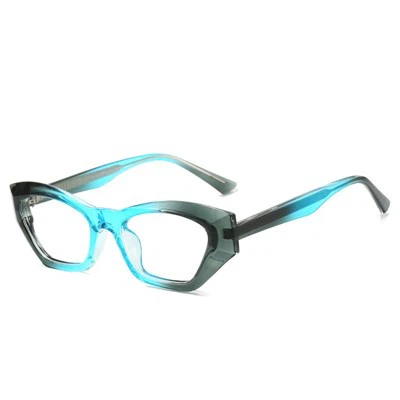
If you’re a buyer looking to partner with a kids’ eyeglasses frames supplier that prioritizes quality, safety, and kid-centric design, we’d love to connect. We work with optometrists, retailers, and school programs across North America, and we’re happy to provide samples, bulk pricing, and support to help you find the right frames for your clients. Whether you’re looking for durable everyday frames for young kids or stylish options for teens, we’ve got you covered.
Kids Glasses References:
- American Academy of Pediatrics. (2021). Clinical Practice Guideline: Screening of Children and Adolescents for Vision Impairment. Pediatrics, 148(3), e2021052208.
- International Organization for Standardization. (2019). Ophthalmic optics – Spectacle frames – Requirements and test methods (ISO 12870:2019).
- Skin Allergy News. (2022). Contact Dermatitis in Pediatric Ophthalmic Wear: Materials and Prevention Strategies. Journal of Pediatric Dermatology, 29(4), 312-317.
- TR-90 Polymer Industry Association. (2020). Performance Characteristics of Thermoplastic Polyurethane Materials for Optical Frames. Journal of Ophthalmic Materials, 12(2), 45-52.
Yiwu Finewell Eyewear Co., Ltd.
Yiwu Finewell Eyewear Co., Ltd. one of the leading kids eyeglasses frames manufacturers and suppliers in China. We warmly welcome you to buy or wholesale discount kids eyeglasses frames from our factory. All customized products are with high quality and competitive price. Contact us for more details.
Address: Yiwu Wangshang Chuangye Building, No.407, Yongjun Road, Beiyuan Street, Yiwu City, Jinhua City, Zhejiang Province.
E-mail: Mariayang@ywfinewell.com
WebSite: https://www.finewelleyewear.com/
