If you’ve ever stood next to a running genset at a construction site, a hospital’s backup power bay, or a remote farm, you’ve probably never stopped to ask why it runs so smoothly for thousands of hours without seizing or sputtering mid-power outage. As someone who’s spent the last 12 years selling, troubleshooting, and maintaining gensets for sites across North America, I can tell you one tiny, often overlooked component is responsible for most of that reliability: the fuel filter. It’s easy to write off as a generic, replaceable part tucked away under the engine cowling, but skip maintaining it and you’ll turn a $50,000 genset into an overpriced paperweight faster than you can say “power outage.” Gensets

Let’s start with the basics, because not every genset buyer is a mechanical engineer. A genset is just an engine (usually diesel, sometimes natural gas or propane) connected to an alternator, which converts the engine’s mechanical energy into electricity. Fuel is the blood of that system—it flows from the tank through lines, injectors, and combustion chambers to make the engine run. But here’s the thing: fuel isn’t as pure as the label on the gas station pump makes it sound. Even new, commercial-grade diesel or natural gas picks up contaminants the second it leaves the refinery. Dirt particles, rust flakes that fall from storage tank walls, water condensation that builds up in standing fuel, and even tiny bits of sealant from old fuel lines all float around in every gallon. For a car engine, a little of that can get by, but genset engines are built for continuous, heavy-duty use—they run at full load for 8, 12, even 24 hours straight when the grid goes down. Their fuel injectors are precision-machined to tolerances finer than a human hair; a single 10-micron dirt particle can scratch an injector tip, which drops fuel efficiency by 15% or more and can even cause a misfire that shuts the whole unit off. That’s exactly where the fuel filter comes in: it’s the first line of defense between the fuel tank and the engine’s sensitive parts.
Genset fuel filters aren’t one-size-fits-all, and that’s where I see most of my customers make a mistake. Over the years, I’ve had contractors come to me panicking because their new genset started sputtering after just 100 hours, only to find they installed a filter meant for a light-duty pickup truck instead of the heavy-duty filter their unit was engineered for. There are two main types of filters you’ll find on most industrial gensets: primary filters and secondary filters (sometimes called final filters). The primary filter is the big, bulky one near the fuel tank’s outlet, and its job is to catch the large, chunky contaminants—particles bigger than 30 microns—plus most of the excess water that accumulates in fuel. Water is actually a bigger enemy of diesel gensets than dirt, by the way. Even a small amount of water in the fuel can cause corrosion in the engine’s cylinder walls or freeze in fuel lines during cold weather, which is a nightmare for gensets in places like Minnesota or Alberta that run through harsh winters. Many primary filters have a little drain valve right on them so you can purge built-up water every few hundred hours, which is a tiny step that prevents huge breakdowns.
The secondary filter is smaller, mounted closer to the engine’s injectors, and it’s the fine sieve of the system. It’s designed to catch particles as small as 2 microns, which is the size of a single strand of smoke. Its job is to make sure the fuel going directly into the injectors is perfectly clean, with no tiny particles that can damage the precision parts that keep the engine running smoothly. Some gensets, especially natural gas models, use a slightly different type of fuel filter—they’re made for gas instead of liquid fuel, but the core function is the same: remove contaminants before they reach the engine’s working parts.
Now, here’s a common myth I hear all the time: “My genset is only for backup power, so I don’t need to change the fuel filter until it breaks.” That’s a dangerous myth, and I’ve seen it bite way too many customers. I once worked with a small hospital in rural Ohio that went three years without changing the filter on their 100kW diesel genset, thinking it only ran for a few hours during storms. When a winter ice storm took down the grid for 18 hours, their genset cranked right up… but then sputtered out 2 hours later. When our techs opened the filter, it was caked with rust and dirt, and there was almost no fuel getting to the injectors. By the time we got a replacement filter and got the genset running again, three hours of cold stored vaccines had spoiled—costing the hospital tens of thousands of dollars in lost medication and customer trust. The lesson here? Even if your genset only runs a few hours a year for testing, the fuel filter is working nonstop, catching contaminants every time the unit is sitting idle. Fuel breaks down over time, too—older fuel starts to form gum and varnish that clogs filters, even if there’s no dirt or water in it. That’s why we recommend changing fuel filters every 200 to 300 hours of run time, or at least once a year, regardless of how often you use your genset.
As a supplier, I’ve seen firsthand how the right filter choice and proper maintenance can make or break a genset’s lifespan. I had a construction company in Texas that bought three 50kW gensets from me back in 2018; they’ve stuck to our recommended filter maintenance schedule, and those units have run for over 12,000 hours with zero engine issues. Another customer, a food processing plant in Iowa that bought the same model a year earlier, skipped changing the filters for three years, and had to replace two fuel injectors that cost more than a new primary and secondary filter combo for all three units. That’s the kind of difference that makes me push for proper maintenance, not just selling a genset and walking away.
A lot of first-time genset buyers also ask if they can use an aftermarket filter instead of the OEM (original equipment manufacturer) filter we sell. The short answer is: maybe, but only if it’s rated for the exact micron rating and flow rate of your genset’s engine. A cheap aftermarket filter that claims to be “compatible” might have a lower micron rating, meaning it doesn’t catch small particles, or a tighter filter media that restricts fuel flow, making the engine work harder than it needs to. I’ve tested cheap filters that had filter media full of holes, so they basically did nothing at all—turning a $10 filter into a waste of money that leads to expensive repairs. When you’re investing in a genset that’s going to power your business, your hospital, your construction site, or your family’s backup power, you don’t want to cut corners on a part that keeps the whole system running.
So, what happens when a fuel filter goes bad? It doesn’t just stop working one day—there are warning signs you can catch before it becomes a crisis. If your genset runs rough when it first starts, if it loses power under load (like when you’re running heavy machinery or multiple critical systems at once), or if you see black smoke coming out of the exhaust, those are all signs the filter is clogged and needs to be replaced. Some gensets even have a fuel pressure sensor that will trigger a warning light on the control panel when the filter is too dirty, which is another reason OEM parts and proper maintenance matter—those sensors are calibrated to work with the exact flow rates of the unit.
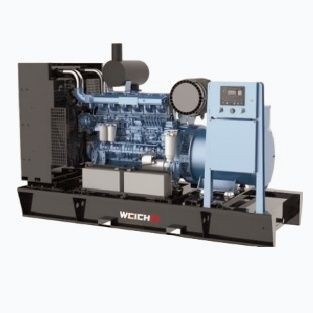
At the end of the day, the fuel filter is one of those unsung heroes of genset reliability. It’s small, easy to overlook, and cheap to replace, but it can save you tens of thousands of dollars in repairs, lost revenue, and spoiled goods when you need your power the most. If you’re in the market for a new genset, or if your current genset is giving you trouble and you’re worried about contaminants or filter maintenance, I’m here to help. I’ve worked with everything from 10kW backup gensets for small homes to 1MW industrial units for large facilities, and I can walk you through the right filter setup, maintenance schedule, and replacement parts that fit your specific needs. Don’t wait until your next power outage to check your fuel filter—reach out and let’s talk about how to keep your genset running smooth for years to come.
Small Excavator References
Diesel Technology Forum. (2021). Fuel System Maintenance for Heavy-Duty Diesel Engines.
Genset Association of North America. (2022). Industrial Genset Component Best Practices.
National Fire Protection Association. (2020). Standard for Emergency and Standby Power Systems (NFPA 110).
China Machinery International Trading Co., Ltd.
China Machinery International Trading Co., Ltd. is one of the most experienced gensets manufacturers and suppliers in China. We warmly welcome you to buy cheap gensets made in China here from our factory. Quality products and reasonable price are available.
Address: Room 233, 2nd Floor, Building 16A, No. 1, Shuguang Xili Jia, Chaoyang District, Beijing
E-mail: Info@tajhzg.com
WebSite: https://www.cnmachinery-global.com/
